With Wafcon coming to an exciting conclusion last weekend, attention now turns to the 2027 Women’s World Cup.
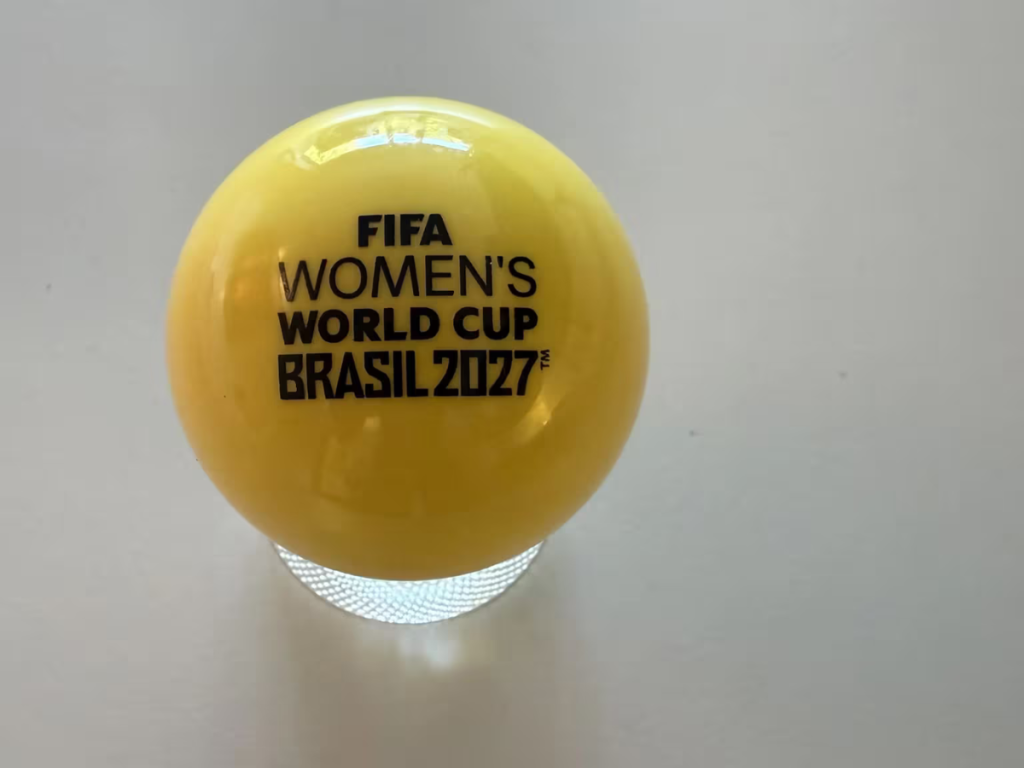
The tournament is edging closer, with Brazil set to host the tenth edition next summer – the first time the competition will be held in South America.
Here’s everything you need to know about the biggest event on the women’s footballing calendar.
How Many Teams Are Competing in the 2027 Women’s World Cup?
It will be the final year with 32 teams in the competition before the tournament expands to 48 teams in 2031. Brazil has already qualified automatically as the host.
The 32 teams will come from six confederations: 11 slots go to Europe, six to Asia, four each to Africa and the North/Central America and Caribbean region, three to South America, and one to Oceania.
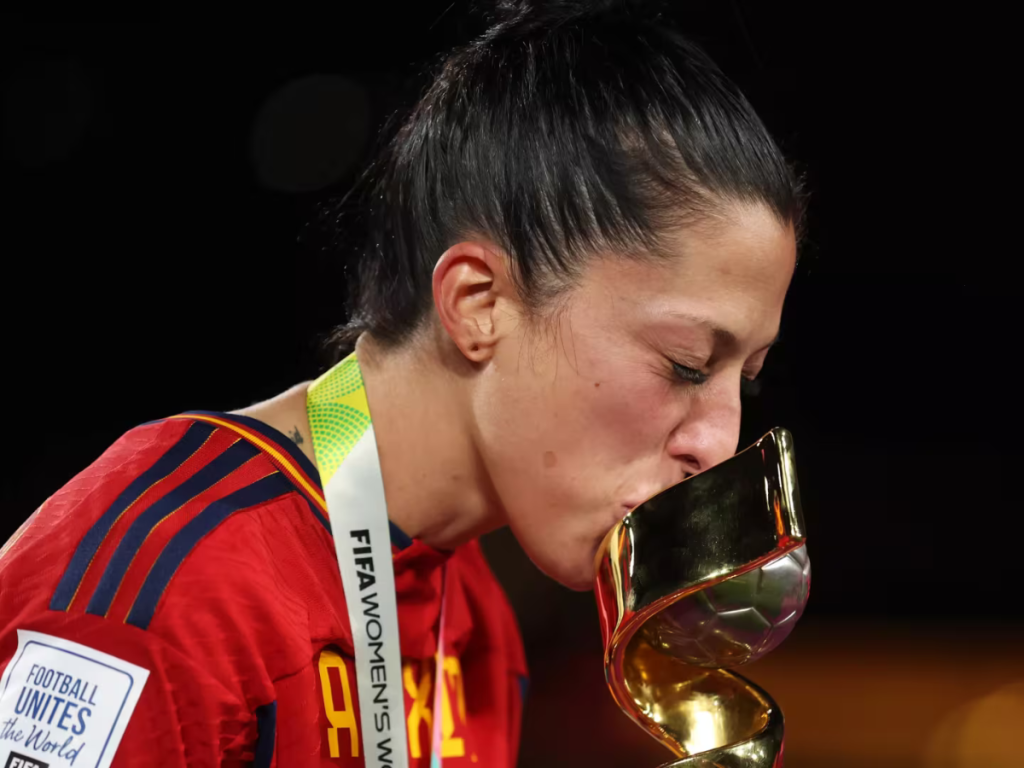
The remaining three spots will be decided via an inter-confederation play-off tournament. Current champions Spain – who beat England to win their first title in 2023 – will also be looking to defend their crown.
Which Teams Have Already Qualified?
Alongside hosts Brazil, confirmed qualifiers include:
- Europe: France, Denmark, Germany and Spain
- Asia: Australia, China, South Korea, Japan, the Philippines and North Korea.
- South America: Argentina and Colombia
- Oceania: New Zealand
- Africa: Algeria, Morocco, Cameroon and Malawi
Where Will Matches Be Played?
Eight venues will host matches, all previously used for the men’s 2014 World Cup: the Estadio Mineirão in Belo Horizonte, Estadio Nacional in Brasilia, Arena Castelão in Fortaleza, Estadio Beira-Rio in Porto Alegre, Arena de Pernambuco in Recife, Estadio do Maracanã in Rio de Janeiro, Arena Fonte Nova in Salvador, and Arena Itaquera in São Paulo.
The Maracanã – which hosted both the 1950 and 2014 men’s finals – is the largest venue with a capacity of 78,838.
What is the 2027 Women’s World Cup Prize Money?
FIFA has confirmed a significant increase in prize money for the 2027 tournament.
The total prize fund is expected to rise from $152m in 2023 to around $456m as part of Gianni Infantino’s goal of achieving prize money parity between the men’s and women’s World Cups
SEE ALSO: Cameroon Lift First Wafcon Title With Victory Over Malawi